



Introduction
Ukraine’s defense today relies not only on the courage of its military but also on technological superiority. Unmanned systems have become a tool that combines precision, mobility and cost-effectiveness, allowing targets to be hit without undue risk to people. They cover critical tasks ranging from deep reconnaissance to precision strikes and artillery adjustment.
Own drones mean independence in supply, quick adaptation to the frontline conditions and operational modernization. Ukrainian design teams are improving sensors, airframes and communication systems every day, increasing EW resistance and extending the range. Each new series is a response to a specific challenge posed by the enemy.
TheInternational Unity MovementCharitable Foundation directs your contributions to practical results: purchase of components, assembly and testing, training of operators, service and repair. Thanks to the support of those who care, we shorten the path from drawing to combat use. Every hryvnia translates into flight hours, lives saved and infrastructure preserved.

Punisher: a reusable "quiet" airframe for targeted missions and corrections
The Punisher is a stealthy winged glider drone designed for reusability. Its key advantage is its low acoustic and visual footprint, which makes it difficult to detect on approach to a target. The approximate speed of about 120 km/h ensures stable flight and precise reaching of the target.
The warhead weighing up to 2 kg is suitable for defeating nodal targets: small ammunition depots, communications facilities, electronic warfare, command posts in the near rear. High controllability and high-quality optics allow the drone to be used as an intelligence repeater and as a platform for adjusting artillery fire. After completing the mission, the drone returns to the base, which reduces the cost of operations and makes it possible to increase the crew’s experience with each flight.
The Punisher is effective in situations where it is necessary to deliver an accurate but limited power strike without the risk of collateral damage. It operates as part of reconnaissance and strike teams: the reconnaissance aircraft discovers the target, the Punisher launches an attack, and then returns to re-engage. This approach maintains the pace of operations and allows for the rational use of unit resources without losing the quality of damage.

Dragon (Dracarys): the answer to fortifications and warehouses
Dragon, also known as Dracarys, is an FPV or multi-copter-based strike system designed for short-range operations. Its main feature is thermite charges that create ultra-high temperatures during combustion and burn through metal and reinforced concrete. The radius of application is usually 10-20 km, which corresponds to the pace of assault operations and a quick response to intelligence.
Thermal munitions are most effective against dugouts, fortified positions, ammunition and fuel and lubricant depots. It does not rely on the kinetic effect alone: the main result is achieved by intense heat damage and arson. Thanks to FPV guidance, the operator sees the situation in real time, adjusts the entry angle and selects vulnerable areas, which minimizes the consumption of charges.
In the combat formations of units, Dragon plays the role of a "pocket engineer": it hits firing points, destroys fortified passages, and creates fire centers in enemy logistics hubs. The platform’s relatively low cost and ease of maintenance allow for quick fleet renewal and constant availability in units. This increases tactical flexibility and allows for timely extinguishing of threats in critical areas of the front.
LIUTYI (AN-196): strategic range to hit critical targets
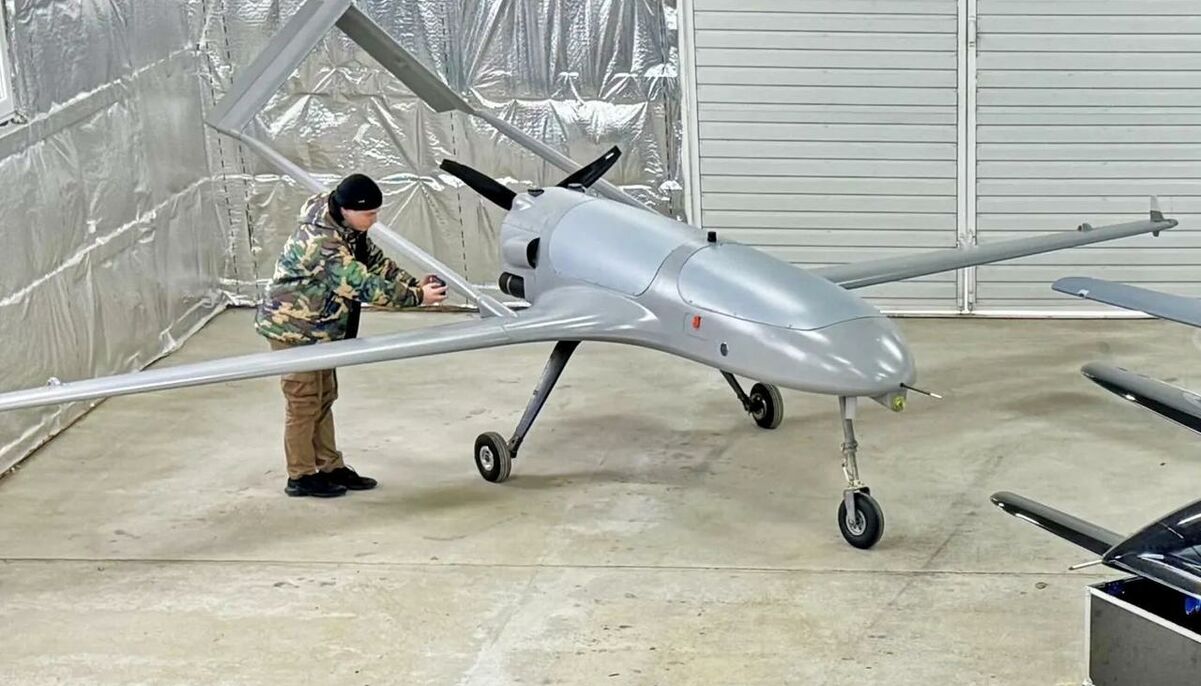
LIUTYI (AN-196) belongs to the class of long-range strike drones capable of operating hundreds of kilometers behind the front line. The design is focused on route stability and energy efficiency, allowing it to cover up to 1000 km at a speed of 200-300 km/h. This combination makes it possible to plan complex flight profiles and avoid enemy air defense areas.
The warhead with an approximate weight of 75 kg provides a relevant effect on critical infrastructure facilities: warehouses, communication hubs, power facilities, logistics interchanges. LIUTYI uses inertial and satellite navigation with additional anti-jamming algorithms, which increases survivability during attempts at electronic jamming. Thanks to this, the device is able to maintain the route even with partial loss of communication.
In practical use, the platform proves to be an "operational leverage" tool: it hits key targets in the enemy’s depths, forcing them to disperse air defense and spend resources on covering the rear. In cooperation with reconnaissance systems, target data is quickly transformed into flight tasks, and a modular approach to equipment allows the charge to be adapted to a specific mission. As a result, LIUTYI provides a combination of range, EW resistance and destructive effect necessary for systemic pressure on the enemy’s military and logistics infrastructure.
PEKLO: modular "range worker" for precision strikes
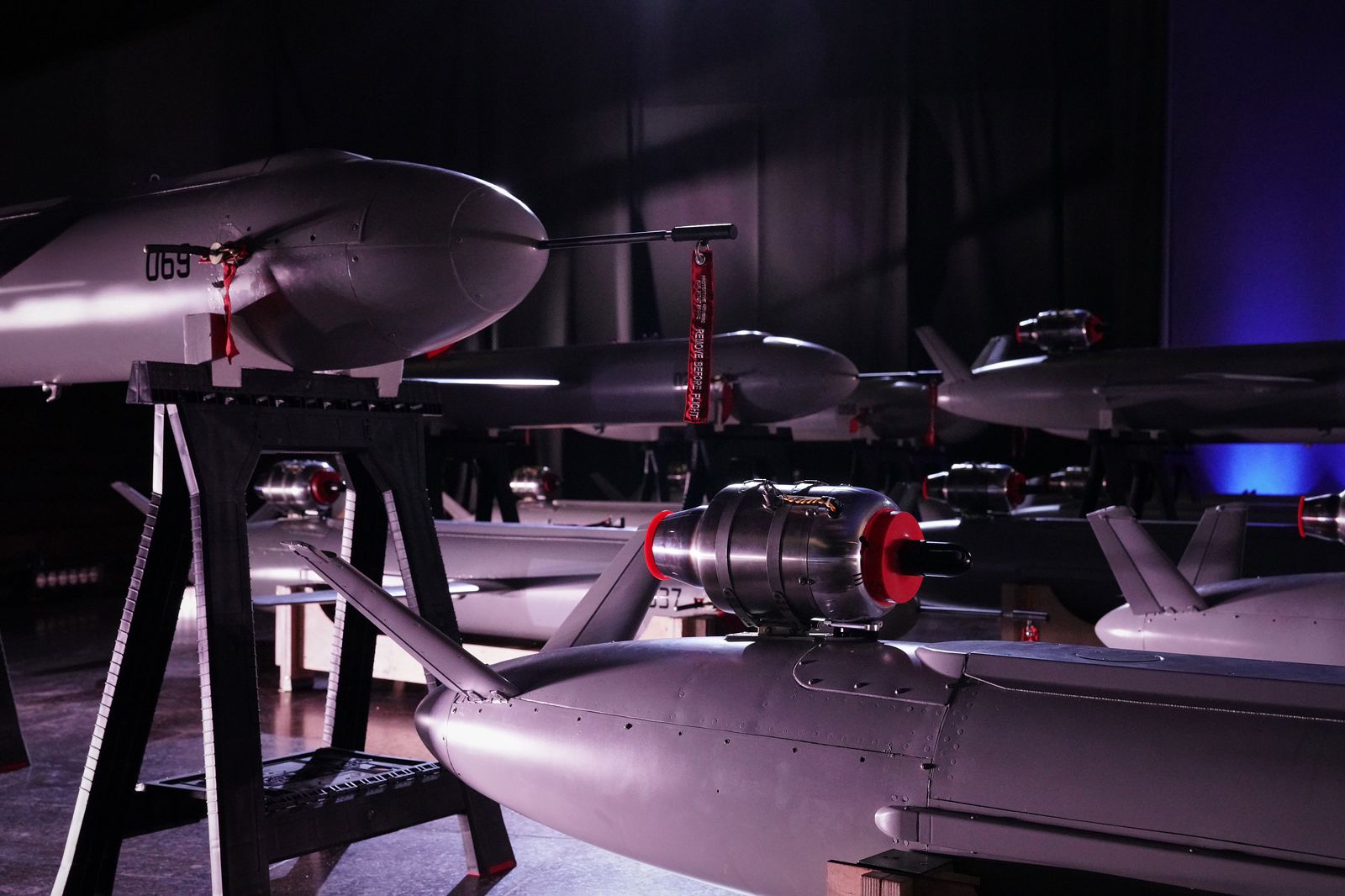
PEKLO is a winged unmanned platform with a focus on range and flight stability. The design is optimized for long-range flying: the drone can travel over 1000 km at a steady speed of about 150 km/h, giving commanders a wide range of routes to avoid air defense zones. The aerodynamics and energy-efficient powerplant minimize thermal and acoustic visibility.
The 20 kg warhead combined with precise targeting makes PEKLO a surgical strike tool against logistics hubs, warehouses, electronic warfare and air defense elements. The modular approach to the fuze allows for the integration of different types of fuzes and sensors, selecting the optimal effect for the target material. The flight and navigation system supports inertial and satellite guidance with waypoints, which simplifies the planning of complex trajectories.
In combat practice, PEKLO is used in waves or in combination with other means of destruction, diverting enemy resources and forcing them to open air defense systems. The relatively small weight of the warhead is compensated by the accuracy of the hit and the ability to synchronize strikes on several critical targets. For units, this means predictable logistics, a clear training cycle, and high repeatability of results, which is essential during campaigns to systematically deplete the enemy’s rear.
AQ-400 Scythe: the economics of massive strikes and air defense depletion
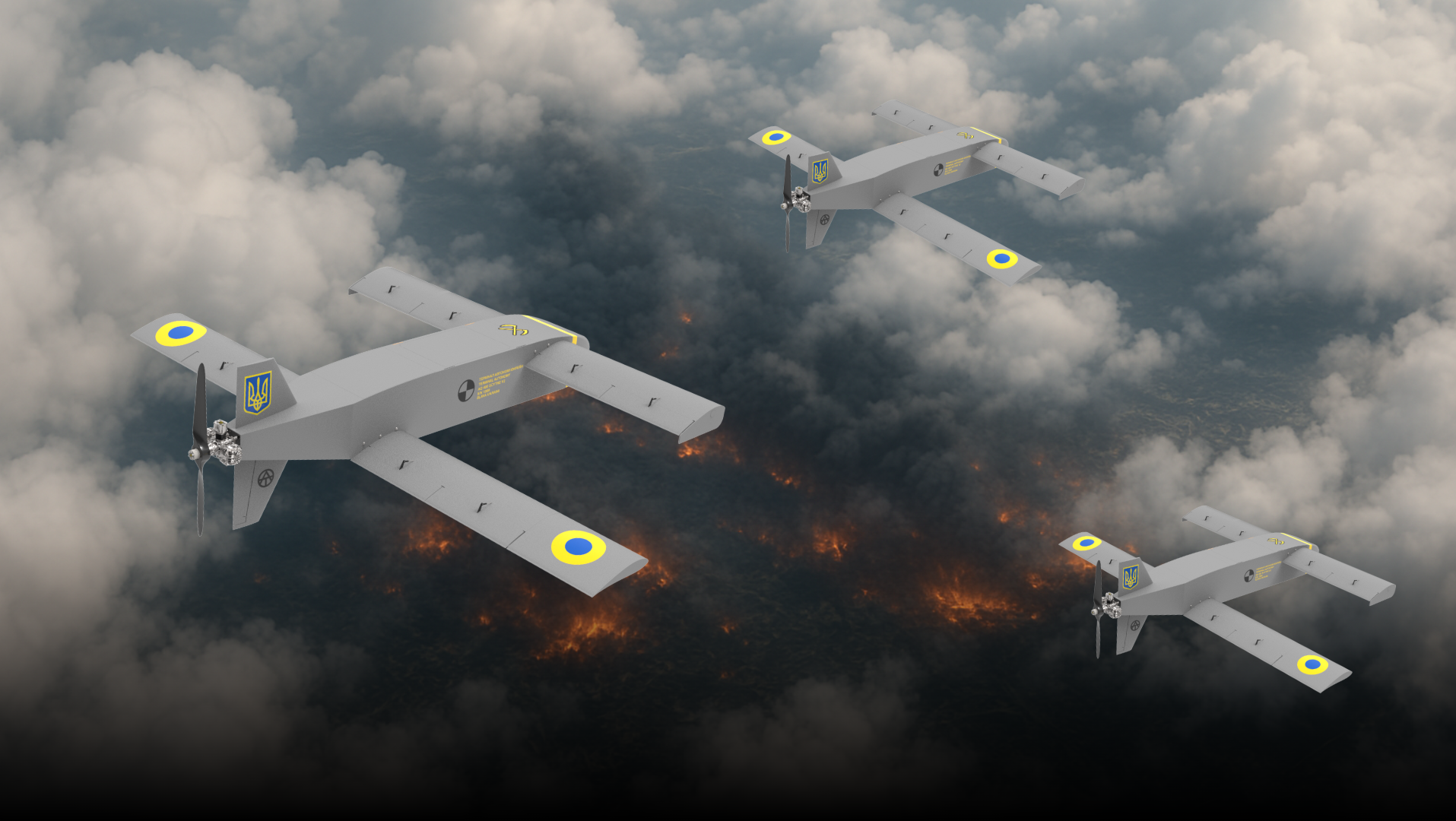
The AQ-400 Scythe is designed as an affordable platform for medium-range serial strikes. With an approximate range of up to 750 km and a speed of 180-200 km/h, it can form swarms and relieve expensive weapons. The concept is based on a combination of sufficient accuracy and low cost to ensure that quantity goes into quality.
The warhead weighs about 30 kg and is aimed at infrastructure targets: oil refineries, fuel depots, production sites, and logistics hubs. It is against such targets that the effect of cumulative strikes is most noticeable: support units fail, and the enemy’s operational tempo decreases. The aerodynamics and ease of maintenance allow us to quickly prepare batches of vehicles for new missions.
Scythe is often combined with other platforms as part of a multi-layered plan: some drones deplete air defense and force it to spend missiles, while others enter "windows" and work on priority targets. For units, this is a favorable balance between cost and effect, and for donors, it is a transparent opportunity to scale the impact of contributions. As a result, the AQ-400 Scythe becomes an instrument of tempo operations, where not only the power of a single strike is decisive, but the ability to repeat it systematically.
Raybird-3: autonomous deep reconnaissance and fire control
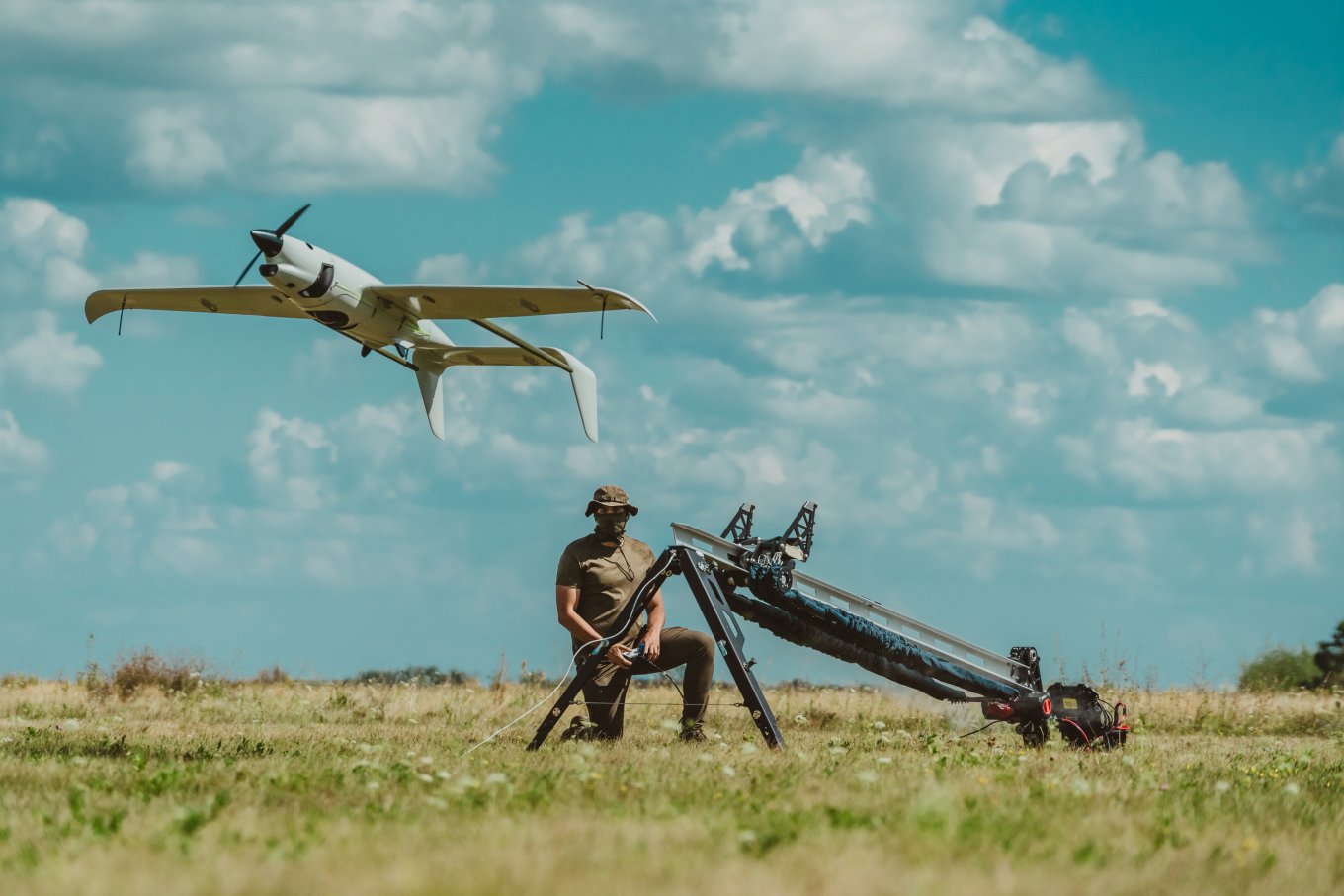
Raybird-3 is an aircraft system designed for long-term surveillance missions. Itsautonomy reaches 24 hours, which allows it to cover large sectors without frequent restarts and risks to personnel. A stable communication system at a distance of 150+ km provides real-time video and telemetry transmission.
The speed range of 60-140 km/h makes it possible to flexibly adapt the flight profile: slow mode for detailed monitoring, higher speeds for rapid entry into the area or pursuit of targets. The complex not only observes but also acts as an "eye" for artillery and missile units: operators quickly adjust fire, assess the results of damage and re-aim the munitions. Thanks to the catapult launch and landing on special equipment, deployment is possible from small positions in the field.
The practical value of the Raybird-3 lies in its resistance to monotonous tasks that require patience and precision. It guards critical areas, tracks the movement of equipment, and records activity at warehouses and crossings. For commanders, it is a tool for continuous situational awareness, and for units, it is a guarantee of an accurate first shot, which saves ammunition and time. Such systems form the information advantage without which modern operations lose their pace and accuracy.
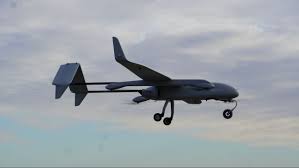
PD-2: a versatile medium-range platform with optics and infrared
The PD-2 is a multi-purpose system that combines reconnaissance, correction and, if necessary, precision strikes. The payload of 8-10 kg allows for the installation of daytime and infrared cameras, communication repeaters, or lightweight strike modules. A range of up to 200 km and a speed of 100-140 km/h ensure operation throughout the entire depth of the tactical zone.
Flexibility of deployment is one of the PD-2’s strengths. The vehicle can be launched from a catapult or from a runway, which is important for mixed environments. Its autonomy of up to 12 hours allows it to perform patrols, monitor enemy logistics routes and stand guard over important targets. High-quality payload stabilization ensures a clear image even in windy conditions.
In combat, PD-2 often becomes a brigade-level workhorse: it quickly ascends, closes reconnaissance questions, transmits coordinates and adjusts fire to the desired result. Thanks to the modularity of service and the availability of several configuration options, the fleet can be adapted to the specific tasks of the front line. For the command, it is a predictable tool with clear logistics that ensures the stability of the reconnaissance cycle and saves resources.
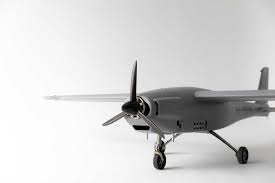
UJ-22 Airborne: a multi-role aircraft system with a suspended munition
The UJ-22 Airborne is an aircraft-type drone that combines reconnaissance capabilities with a strike function. It is capable of covering up to 800 km at a speed of 120-160 km/h, which allows it to work on deep targets and perform long patrol missions. The design is designed to operate from a runway, which increases the safety of launching with a heavy load.
One of the key advantages is a suspended warhead weighing up to 20 kg with a drop mode. This opens up scenarios for selective destruction: damage to oil depots and warehouses, disabling radars or communication nodes, and working on equipment in parking lots. The complex is equipped with stabilized optics, which provides high-quality reconnaissance before the use of ammunition and immediate assessment of the results.
In combat use, the UJ-22 works well as part of a multi-level plan: reconnaissance on the route - target detection - precise drop - confirmation of the defeat. The wheeled chassis simplifies maintenance and speeds up preparation for the next flight. For units, it is a "general-purpose vehicle" that is equally useful at the stages of data collection and its transformation into an effective strike, and for donors, it is a clear investment in a platform with predictable efficiency.
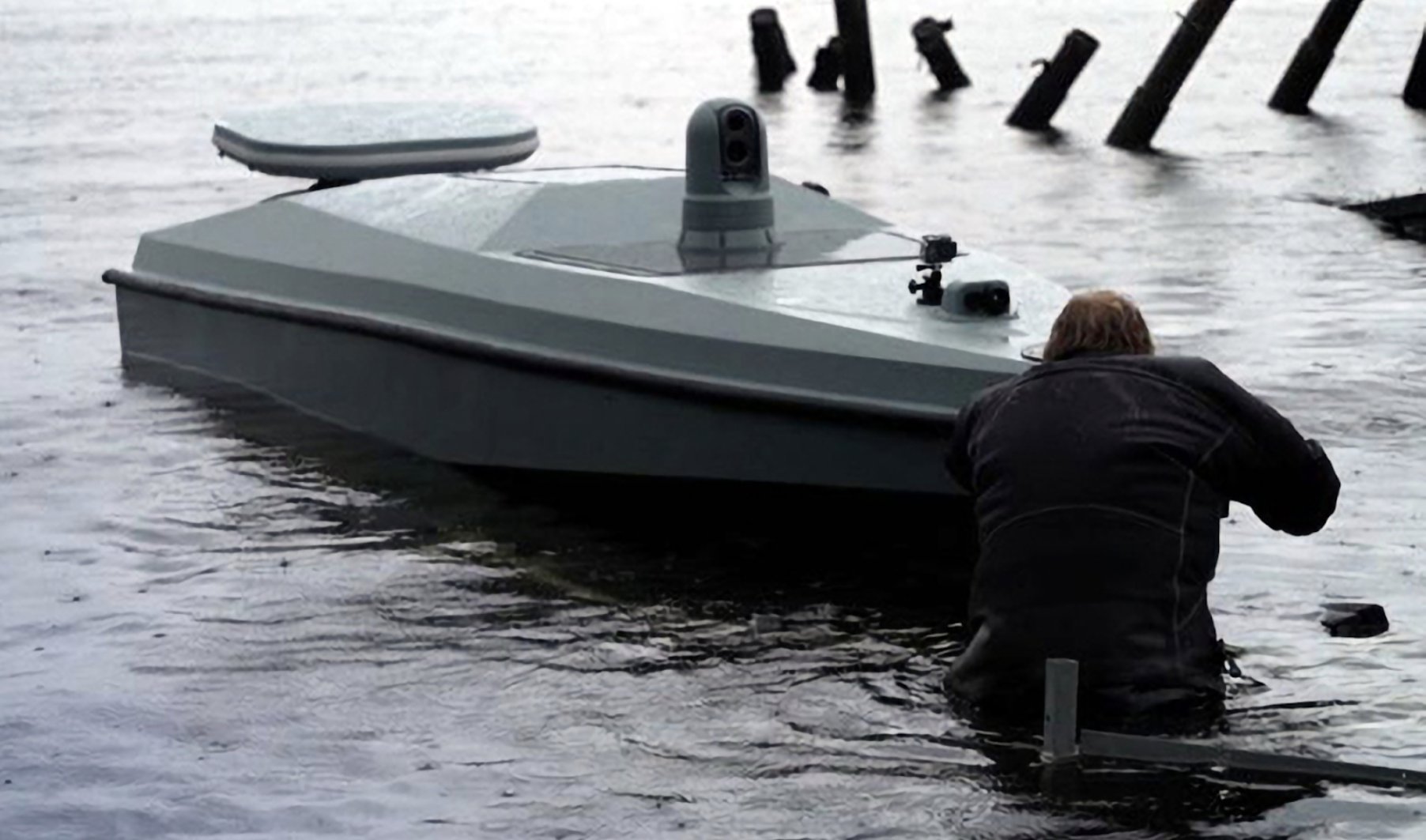
Magura V5 (USV): a maritime strike drone for ports and ships
The Magura V5 is an unmanned surface vehicle designed for precision maritime attacks. Its 200-300 kg warhead provides a significant destructive effect on frigate-class ships, minesweepers and coastal infrastructure. The range of up to 800 km combined with a speed of up to 75 km/h allows it to operate far from the launch site and maintain a covert route.
The platform uses a combination of satellite navigation, inertial sensors and optical surveillance, which increases survivability in difficult conditions of disturbance and active opposition. The low silhouette and low radar visibility make early detection difficult, and secure communication channels give operators control until the final stretch. The hull and layout are designed for offshore solo operation and rapid component replacement.
In combat use, the Magura V5 operates independently or as part of a "pack" to open the way for other weapons or disrupt ports and berths. The device navigates complex fairways, maneuvers between buoys, maintains a course near coastal currents, and can attack a target at a favorable angle. For naval tasks, it is a tool of asymmetry: the relatively low cost of the platform creates a disproportionately high threat to the enemy, forcing him to disperse his defense, waste resources and refuse to take risky actions in coastal waters.
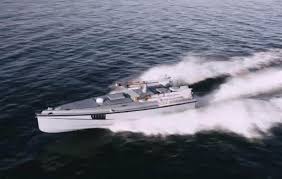
Magura V7 (USV): the evolution of survivability and modular power at sea
Magura V7 is the next step in the development of Ukrainian surface drones, focused on increasing survivability and combat flexibility. The platform reaches speeds of over 80 km/h and maintains a range of over 800 km, allowing it to operate in remote areas of the sea and bypass patrol zones. The low-silhouette design with optimized hydrodynamics reduces visibility and improves handling on waves.
The key difference between the V7 is its modular, reinforced warhead and the ability to deploy additional weapons. This opens up options for combined strikes: on guard ships, amphibious assault vehicles, port infrastructure, surveillance systems and navigation facilities. Secure communication channels and navigation redundancy increase resistance to electronic warfare and allow for precise practice of complex convergence trajectories.
In practical missions, the V7 is often deployed in coordination with airborne and ground platforms: some vehicles divert fire while others break through to priority targets. The modularity simplifies maintenance and reduces the time between deployments - crews can quickly swap out sensors, batteries, or combat modules for a specific mission. For the command, it is a means of constant pressure on enemy communications and ports, and for donors, it is a contribution to a system that is scalable and demonstrates a stable effect even in the face of active opposition.
Comparative overview: how platforms complement each other in a single loop
The Ukrainian drone fleet is not a collection of individual products, but an organized system where each platform has its own niche. Long-range strike vehicles such as LIUTYI, PEKLO, and AQ-400 Scythe deliver strategic and operational strikes: they disrupt logistics, energy, and control centers deep in the enemy’s territory. Their routes are planned taking into account air defense "windows" created by massive use or distractions from other means.
At the tactical level, Punisher and UJ-22 cover point tasks: they operate where controllability and selectivity of destruction are important. The Punisher provides multiple exits on small targets with minimal risk to the crew, while the UJ-22 adds the ability to drop controlled weapons on medium-strength targets. Their strength lies in the rapid detect-strike-evaluate cycle, which allows for flexible response to changing conditions.
The information foundation is created by Raybird-3 and PD-2. The former provides long-term surveillance and correction over large areas, while the latter provides versatility of deployment and a stable intelligence cycle for the benefit of brigades and battalions. They feed data into the entire chain of destruction: from tactical FPVs to strategic platforms, reducing the time between detection and strike. As a result, units operate with confirmed coordinates, reducing ammunition consumption and risk to personnel.
Another dimension is the sea. Magura V5 and V7 create an asymmetric threat to ships and port infrastructure, forcing the enemy to cover wide areas with expensive means. When surface drones are synchronized with air strikes, the enemy loses the ability to concentrate air defense in one direction, and logistics on the coast become unreliable. This complementarity of platforms turns disparate operations into a consistent pressure campaign, where each of your contributions strengthens the entire circuit - from sensors to the final defeat.

How your contribution accelerates the emergence of new capabilities
The International Unity Movement Charitable Foundation turns donations into concrete actions throughout the entire life cycle of unmanned platforms. Part of the funds goes to the purchase of components - engines, batteries, onboard electronics, optics and communications. The other part covers assembly, bench testing, sensor calibration and field testing, without which reliability cannot be guaranteed.
Your contribution creates a multiplier effect: one repaired drone means dozens of hours of reconnaissance or several effective strikes. When we scale up projects, units receive a stable supply and commanders have predictability in planning operations. This is how the support of philanthropists turns into real capabilities that save lives and bring victory closer every day.
Conclusion: a technological response that keeps the pace of operations
Ukrainian strike and reconnaissance drones have shaped a new logic of warfare: information is collected quickly, decisions are made on the basis of confirmed data, and the damage is carried out point by point and sequentially. Each of these platforms has its own role - from strategic strikes in depth to tactical fire adjustment and maritime operations - and together they create a sustainable advantage.
The strength of this system lies in the combination of engineering ingenuity, training, and citizen support. Your contributions help to scale production, improve EW protection, and speed up repairs and training. This keeps the units on track and reduces the risks to people.
We will continue to work to ensure that every hryvnia is transformed into a concrete result - an hour of reconnaissance, an accurate strike, and the safe return of the crew. Together we provide a technological advantage that protects lives and brings a just peace closer every day.



